Seborrhoeic Keratosis Treatment in Poole, Bournemouth and Dorset
Dermatology GP-led Seborrhoeic Keratosis Assessment & Removal
Dr Sumit Aggarwal
MBBS, MRCGP (2015), PG Diploma Dermatology, GPwSI Dermatology, Cert NSV
Seborrhoeic keratosis assessment and treatment at GP Private Services is led by Dr Sumit Aggarwal, an experienced GP with dermatology-focused qualifications and clinical experience.
GP Private Services offers assessment-led review and treatment advice for selected suitable seborrhoeic keratoses from a private clinic in Poole, serving patients across Poole, Bournemouth and Dorset.
Each lesion is reviewed first to check whether it appears suitable for treatment. If there is diagnostic uncertainty, suspicious change or concern that the lesion may need further assessment, appropriate next steps will be discussed.
What are seborrhoeic keratoses?
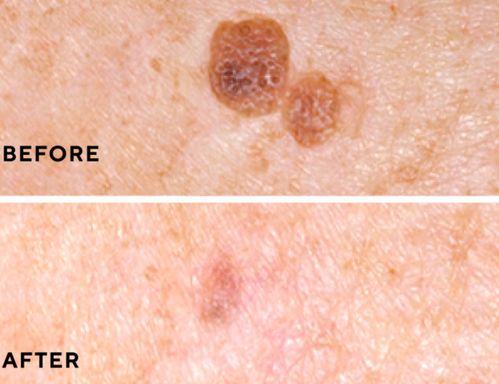
Seborrhoeic keratoses are common benign skin lesions that can appear as raised, rough, waxy or “stuck-on” patches on the skin. They may be brown, tan, grey, black or skin-coloured and can occur on the face, trunk, back, chest or limbs.
Although they are usually harmless, they can sometimes become irritated, itchy, catch on clothing or cause cosmetic concern.
Assessment before treatment
Before treatment, the lesion will be assessed to check whether it appears consistent with a seborrhoeic keratosis and suitable for treatment.
If the lesion is changing, bleeding, crusting, unusually dark, irregular, painful, inflamed, uncertain in appearance or not clearly benign, treatment may not be offered and a mole check, biopsy, referral, minor surgery or specialist dermatology assessment may be advised instead.
Treatment options
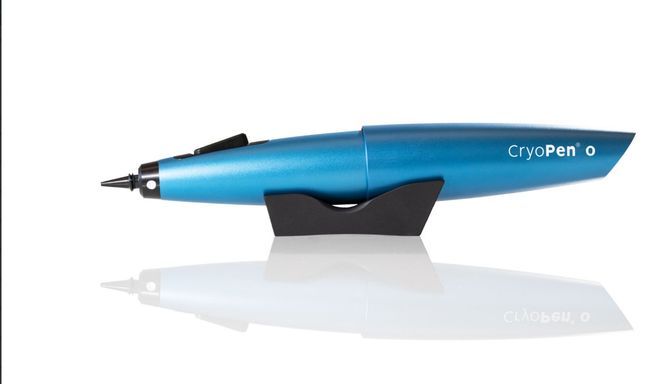
Suitable seborrhoeic keratoses may be treated with CryoPen O+ cryotherapy or another appropriate minor procedure depending on the size, thickness, site, symptoms and clinical assessment.
The most suitable approach will be discussed during your appointment, including expected healing, aftercare and possible risks such as redness, blistering, pigment change, scarring, incomplete response or recurrence.
Seborrhoeic Keratosis Treatment Fees
Assessment and First Lesion
£95 first lesion
Includes assessment and treatment of the first selected suitable benign seborrhoeic keratosis where clinically appropriate.
Next 3 Additional Lesions
£30 each
For up to three additional suitable lesions treated in the same appointment, where clinically appropriate.
Further Additional Lesions
£15 each
For further suitable lesions after the first lesion plus next three additional lesions, where treatment remains appropriate.
Complex, Thick or Multiple Lesions
Fee confirmed on assessment
Some lesions may vary in price depending on number, size, thickness, site and complexity.
Important Note
Seborrhoeic keratosis treatment is only offered for selected suitable benign lesions after assessment.
If a lesion appears suspicious, uncertain, changing, pigmented, irregular, bleeding, crusting or not clearly benign, treatment may not be offered. A mole check, biopsy, minor surgery, referral or specialist dermatology assessment may be advised instead.
Cryotherapy, including CryoPen treatment, is not used for suspicious pigmented lesions or lesions needing proper diagnostic assessment.
Seborrhoeic Keratosis Treatment FAQs
Are seborrhoeic keratoses harmless?
Seborrhoeic keratoses are usually benign skin growths. However, any lesion that is changing, bleeding, crusting, unusually dark, irregular, painful or uncertain in appearance should be assessed before treatment is considered.
Can seborrhoeic keratoses be treated with CryoPen?
Yes. Selected benign seborrhoeic keratoses may be suitable for CryoPen O+ treatment following clinical assessment.
Can they be treated in one appointment?
Same-day treatment may be possible if the lesion appears suitable, treatment is clinically appropriate and there is enough time during the appointment, although multiple, thicker or more complex lesions may need more than one sitting.
Will treatment leave a scar?
Any skin treatment can leave a mark or scar. Possible effects such as redness, blistering, pigment change, scarring, incomplete response or recurrence will be discussed where relevant.
What if the lesion is not a seborrhoeic keratosis?
If the lesion does not appear to be a straightforward benign seborrhoeic keratosis, treatment may not be offered. A mole check, biopsy, minor surgery, referral or specialist dermatology assessment may be advised instead.
Book a Seborrhoeic Keratosis Assessment & Treatment
Book online or contact the clinic if you are unsure whether seborrhoeic keratosis treatment may be suitable.

Scan the QR code to book online with GP Private Services.